


Views: 0 Author: Site Editor Publish Time: 2026-11-18 Origin: Site


The mud pump serves as the beating heart of the circulating system on any drilling rig. Unplanned downtime here immediately halts operations. It rapidly escalates day-rate losses. Mechanical concepts behind a triplex mud pump are well-established across the industry. Yet, evaluating specific models for procurement requires a strict understanding of pump mechanics. You must understand how design variations impact hydraulic horsepower, pulsation mitigation, and component lifespan. Drillers must look beyond basic specifications. They must analyze how metallurgy, precision machining, and fluid dynamics interact under extreme wellbore pressures.
This article provides a technically sound breakdown of triplex operations. We will outline critical evaluation dimensions for procurement. You will also learn implementation realities to guide reliable equipment shortlisting. Choosing the right pump protects your downstream assets and maximizes drilling uptime.
Triplex designs offer a 30% reduction in discharge pulsation and a lighter footprint compared to legacy duplex models, directly reducing wear on downstream drill string components.
Long-term operational expenditure is heavily dictated by the metallurgy and accessibility of fluid end consumables, not just initial CAPEX.
Proper sizing requires matching the pump’s volumetric efficiency, pressure ratings (PSI), and flow rate (GPM) to specific wellbore hydraulics and rig depth limits.
API 7K compliance and aftermarket parts availability are non-negotiable evaluation criteria for risk mitigation in high-pressure oilfield environments.
The mechanical architecture of a modern pump relies on a three-cylinder, single-acting design. A primary motor drives the pump. The motor turns a robust crankshaft. This crankshaft rotation converts via connecting rods and crossheads into the linear motion of the pistons. Single-acting means the pump moves fluid only on the forward stroke. This setup contrasts with older double-acting designs. It simplifies maintenance and greatly reduces internal wear.
Understanding the triplex mud pump working principle requires looking at fluid dynamics. The system relies on a precise stroke cycle. The crankshaft offsets the three cylinders by exactly 120 degrees. This phase shift creates a continuous, overlapping flow. As one piston finishes its discharge stroke, another is already midway through its own. The third piston simultaneously draws in new fluid during its suction stroke. This overlapping sequence prevents severe drops in fluid line pressure.
Pulsation reduction remains the standout benefit of this design. Legacy duplex models push fluid in harsh, surging bursts. A triplex system produces a significantly smoother discharge profile. It offers an approximate 30% reduction in pressure spikes. Smoother pressure curves prevent catastrophic stress on flexible hoses. They protect rotary swivels. They also shield sensitive Measurement While Drilling (MWD) tools from destructive vibration.
Operational capacity depends heavily on physical configuration. You must adjust liner sizes and stroke rates for different drilling phases. Large liners push maximum volume. You use them for top-hole drilling where clearing large cuttings is vital. Small liners generate maximum pressure. You swap them in for deeper drilling sections. Smaller liners maintain adequate pressure to drive downhole motors and flush tight wellbore clearings.
A pump divides into two main sections: the power end and the fluid end. The power end houses the frame, bull gear, pinion shaft, and crossheads. It handles massive mechanical forces. You must evaluate heavy-duty bearing configurations here. Robust lubrication systems are equally crucial. Proper oil distribution prevents premature metal fatigue and catastrophic gear failure.
The fluid end acts as the high-wear zone. It contacts the abrasive drilling mud directly. You should prioritize interchangeable modules. These allow crews to swap out damaged sections quickly without replacing the entire block. Corrosion-resistant alloys prevent the rapid degradation caused by harsh drilling chemicals and saltwater.
Consumables define the reliability of a triplex piston mud pump. You must evaluate liners carefully. High-chrome iron liners work well for standard operations. Zirconia ceramic liners offer exceptional longevity in highly abrasive conditions. Valves, seats, and urethane pistons also demand scrutiny. Urethane handles friction and high temperatures better than standard rubber. Match these consumable materials directly to your expected mud chemistry and abrasive solids content.
The system relies heavily on mud pump components and accessories to operate safely. Pulsation dampeners sit on the discharge line. They contain pre-charged nitrogen bladders. These bladders compress and expand, absorbing remaining fluid surges. Shear relief valves act as mandatory failsafe mechanisms. They rupture or open at a specific pressure limit. This action protects the pump from catastrophic overpressure events. Centrifugal charging pumps are also vital. They feed fluid into the suction header. Maintaining a positive suction head prevents cavitation. Cavitation can destroy fluid end components in minutes.
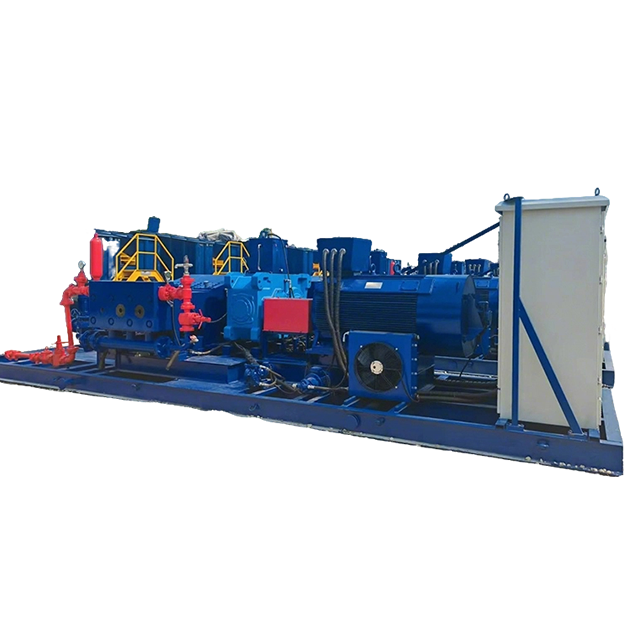
You cannot select a pump based on horsepower alone. You must match the pump to specific wellbore hydraulics. Frame your selection around required annular velocity. The fluid must move fast enough to lift cuttings to the surface. You must calculate the hole size and drill bit nozzle pressure drops. These factors dictate the exact pressure and volume your pump must deliver.
Differentiate between input ratings. Theoretical mechanical horsepower refers to what the motor supplies. Actual hydraulic horsepower refers to the energy delivered to the bit. Friction losses consume energy between the pump and the well bottom. Your oilfield drilling mud pump must possess enough overhead to overcome these internal losses.
Volumetric efficiency assumptions require transparency. Pumps rarely operate at 100% efficiency. High pressures and abrasive fluids cause internal leakage past the valves and pistons. We call this slip. You must factor a realistic slip rate into your capacity calculations. Typically, this ranges between 3% and 5%. If you need 500 GPM at the bit, calculate your pump output assuming only 95% of theoretical capacity actually reaches the wellbore.
Footprint and weight constraints dictate physical deployment. Evaluate the skid design carefully. Standard land rig trailers can accommodate massive, heavy frames. Helicopter transport for remote jungles demands modular configurations. Offshore platforms possess strict weight limitations. Ensure your selected pump dimensions fit the designated rig space without requiring expensive structural modifications.
Pump Sizing Constraints and Selection Criteria
Evaluation Parameter | Primary Impact | Selection Logic |
|---|---|---|
Annular Velocity | Cuttings removal capability | Ensure GPM output matches maximum hole diameter requirements. |
Pressure Drop | Hydraulic power at the bit | Select liner sizes capable of exceeding expected nozzle friction losses. |
Volumetric Slip | Actual flow delivered | Always deduct 5% from theoretical flow rate charts for safe margins. |
Skid Footprint | Deployment feasibility | Verify platform deck space and crane lifting capacities before purchase. |
Drilling operations expose equipment to severe mechanical stress. You must analyze common failure modes to avoid downtime. Fluid end washouts occur frequently. High-pressure mud finds a small leak path and cuts through the steel module like a water jet. Valve seat pitting is another prevalent issue. Abrasive solids get trapped between the valve and seat. This creates tiny gouges that eventually destroy the seal. In the power end, crosshead bearing scoring remains a primary risk. Contaminated lube oil or failing gear pumps cause inadequate lubrication, leading to rapid metal-on-metal wear.
Preventative maintenance regimens dictate equipment survival. Operating hours on consumables must be meticulously tracked. Do not wait for a piston to fail downhole. Implement a proactive replacement schedule based on recorded operational hours. Maintaining proper rod cooling is crucial. The liner wash system must continuously spray clean fluid onto the piston rods. This prevents heat buildup and flushes away abrasive particles. Crews must execute regular valve inspections during every connection or trip to catch early signs of pitting.
Effective risk mitigation requires strategic planning. We recommend standardizing pump models across an entire drilling fleet. Standardization simplifies the supply chain drastically. Mechanics only need to learn one mechanical architecture. You also reduce the carrying cost of inventory. Stocking spares for three identical pumps is far more efficient than stocking parts for three different brands.
Track Consumable Hours: Log every operating hour for pistons and liners.
Inspect Valves Daily: Pull valve covers during rig downtime to check for scoring.
Monitor Lube Oil: Take weekly oil samples to detect metal shavings.
Maintain Wash Systems: Ensure rod cooling pumps operate flawlessly.
The final procurement decision demands rigorous vendor evaluation. Assess the manufacturer's track record thoroughly. Look for historical reliability in your specific target environments. A pump that performs well on shallow land rigs might fail quickly in high-temperature, high-pressure shale plays. Offshore operations introduce corrosive saltwater environments. Ensure the OEM has proven case studies in the exact conditions you will face.
Compliance and safety protocols protect your investment. Verify API 7K certification before considering any model. This standard guarantees the equipment meets strict petroleum industry manufacturing guidelines. Request documentation of rigorous Factory Acceptance Testing (FAT). The manufacturer should test the pump at maximum rated pressure for several hours before shipping. Do not accept untested units.
Aftermarket support defines long-term viability. The local availability of OEM or third-party fluid end parts outweighs minor initial cost savings. A slightly cheaper pump becomes a massive financial liability if you cannot source replacement valves locally. Downtime costs thousands of dollars per hour. Choose a brand with distribution centers near your drilling locations.
Next-step actions solidify the procurement process. Request detailed pump performance curves from the vendor. Analyze these curves against your wellbore hydraulic models. Review warranty stipulations carefully. Many warranties exclude damage from abrasive wear. Conduct a comprehensive lifecycle cost analysis. Factor in projected 5-year maintenance costs, consumable replacement rates, and expected downtime.
Choosing the correct pumping system determines the overall efficiency of your drilling rig. It requires balancing strict hydraulic requirements with realistic component durability. You must verify aftermarket reliability before making a purchase. Evaluating metallurgy, fluid dynamics, and preventative maintenance strategies ensures your equipment survives harsh wellbore environments.
Decision-makers should prioritize vendor transparency. Demand clear data regarding volumetric efficiency and parts interchangeability. Finalizing your operational upgrades based on lifecycle value rather than just initial purchase price will maximize your long-term drilling profitability. Actively engage your maintenance teams during the shortlisting process to secure equipment they can effectively support.
A: A triplex pump utilizes single-acting mechanics and three cylinders. This design creates a much smoother flow, offering a 30% reduction in discharge pressure pulsations compared to double-acting duplex pumps. It is also significantly lighter, making it easier to transport and install on modern rigs.
A: You calculate the actual flow rate using a straightforward formula. Multiply the liner cross-sectional area by the stroke length. Multiply that result by the strokes per minute. Multiply by three for the number of cylinders. Finally, multiply the total by the volumetric efficiency percentage to account for slip.
A: Replacement intervals vary widely. Lifespan depends entirely on operating pressure, mud weight, solids control efficiency, and the chosen liner material. Zirconia liners may last thousands of hours, while standard urethane pistons might require replacement every few weeks in highly abrasive, high-pressure environments. Track operational hours rigorously.


