


Views: 0 Author: Site Editor Publish Time: 2026-10-21 Origin: Site


Millions of people globally still lack access to safe and reliable groundwater. The days of relying on painstakingly slow cable-tool rigs or backbreaking manual labor to solve this crisis are largely behind us. Modern engineering has stepped up, providing a dynamic and highly practical solution to a complex geological challenge.
Looking at recent industry trends, there is a decisive shift happening in the global drilling sector. Driven by stricter environmental regulations and a severe shortage of skilled manual labor, contractors are rapidly abandoning legacy mechanical systems. The market is pivoting heavily toward automated, IoT-enabled platforms that prioritize operator safety and fuel efficiency. Today’s machinery is smarter, greener, and significantly faster, allowing crews to complete more boreholes in a fraction of the time.
Understanding the top features of a modern water extraction machine is essential for contractors, agricultural businesses, and municipalities. Selecting the right apparatus guarantees high performance, mitigates on-site risks, and ensures a robust return on investment. In this comprehensive guide, we break down the core mechanical advancements, mobility configurations, and technological integrations that define today’s top-tier drilling equipment.
Hydraulic Power: Contemporary equipment utilizes advanced fluid mechanics to exponentially increase penetration speed while drastically reducing manual labor on the job site.
Versatile Mobility: From heavy-duty tracked units to compact trailer-mounted designs, modern rigs are engineered to navigate diverse and challenging terrains safely.
Superior Efficiency: Mechanical upgrades, including top-drive systems and dual rotary capabilities, are the defining characteristics of modern high-speed drilling.
Safety and Automation: The integration of smart digital control panels and automated pipe-handling mechanisms protects operators and streamlines the entire workflow.
Structural Durability: High-strength steel masts and weather-resistant chassis configurations ensure these machines maintain stability and longevity in harsh environments.
The transition from clunky mechanical linkages to advanced fluid power represents the most significant evolutionary leap in modern drilling technology. Hydraulics function as the central nervous system of contemporary equipment. They provide the precise, overwhelming force necessary to penetrate hard rock formations while maintaining absolute operational stability.
In legacy setups, mechanical power take-off systems frequently suffered from power loss due to friction and rigid gear ratios. Today's hydraulic pumps operate entirely differently. They generate consistent, high-torque power that transfers directly to the drill head with virtually zero energy dissipation. This fluid-driven mechanism allows for a seamless, immediate transition between lifting, feeding, and rotating the drill string.
By utilizing variable displacement pumps, the internal system automatically adjusts fluid flow and pressure based on the immediate resistance encountered by the drill bit underground. This continuous, uninterrupted application of force translates to higher penetration rates and a much cleaner, more uniform borehole.
The implementation of hydraulic controls has fundamentally transformed the operator's daily experience in the field. Picture an operator sitting in a climate-controlled cabin or standing at a remote console, no longer wrestling with heavy, vibrating mechanical levers. Instead, they utilize ergonomic joysticks and highly responsive proportional valves.
These refined controls allow for micro-adjustments in weight on bit and rotational speed in real-time. If the drill bit suddenly grinds against a dense layer of granite, the operator can instantaneously increase hydraulic pressure to maintain momentum without stalling the diesel engine. Furthermore, hydraulic breakout wrenches and leveling jacks handle the heavy lifting that previously demanded a large, physically exhausted crew. Consequently, the work site becomes drastically safer and far more efficient.
Logistical hurdles often dictate the ultimate success or failure of a groundwater extraction project. The ability to physically transport heavy industrial machinery to remote or geographically complex locations is a critical factor for any contractor. Manufacturers address this reality by offering a variety of mounting configurations tailored to specific environmental demands.
Imagine navigating a heavily rutted, mountainous logging road right after a spring thaw. Standard wheeled vehicles would instantly sink into the mud and lose traction. This specific scenario is exactly where a hydraulic crawler borehole drilling machine excels. Equipped with heavy-duty steel or rubber continuous tracks, these units distribute their substantial weight over a massive surface area.
This track-mounted design significantly reduces ground bearing pressure, allowing the machine to traverse steep inclines and soft, waterlogged soils without tipping. Independent hydraulic motors on each track provide exceptional maneuverability. The operator can pivot the machine fully in tight spaces, positioning the mast precisely over the designated borehole location with pinpoint accuracy.
Not all extraction projects require constant, daily relocation. For long-term stationary operations, such as establishing municipal water supplies or setting up infrastructure for a remote mining camp, a skid-mounted water rig offers distinct structural advantages. These frames are welded for maximum rigidity and are typically transported to the site via heavy-duty flatbed trailers.
Once unloaded onto prepared ground, the skid provides an incredibly stable, low-profile base that minimizes mast vibration during deep-hole operations. In addition, skid mounts are highly customizable. Innovative contractors often integrate them onto their own specialized transport vehicles, sleds, or even barges, creating a versatile solution for unique logistical frameworks.
Deploying massive industrial equipment is physically impossible in densely populated residential zones, agricultural plots with narrow access gates, or highly remote villages. A portable water well drilling rig solves this spatial dilemma perfectly. These units offer a compact footprint without sacrificing essential depth capabilities.
Often trailer-mounted or designed to be towed by standard utility pickup trucks, these rigs can squeeze into residential backyards without destroying landscaping or requiring fence demolition. Despite their smaller physical size, modern portable models utilize highly efficient hydraulic systems capable of reaching impressive depths, making them the go-to choice for localized domestic projects.
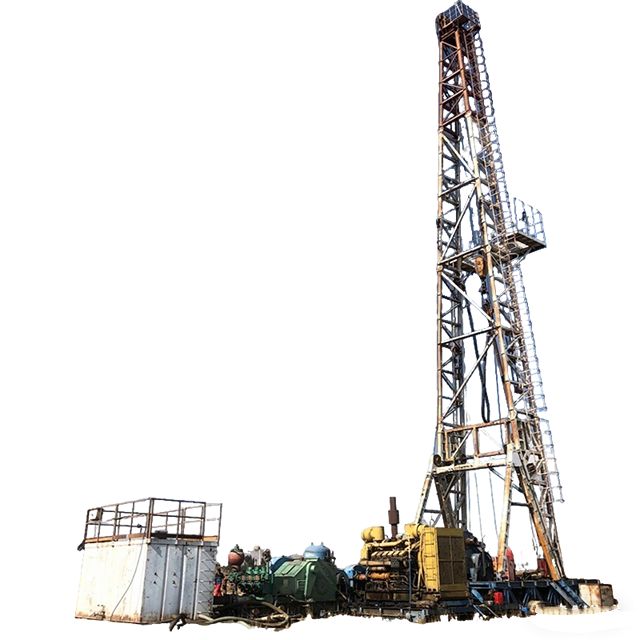
Profitability in the drilling sector is directly tied to operational velocity and equipment reliability. Investing in a high efficiency water well drilling rig means securing a machine meticulously engineered to minimize non-drilling downtime and maximize the rate of penetration through unpredictable geological strata.
The method by which rotational force is applied to the drill string significantly impacts daily efficiency. A traditional rotary table drive water drilling rig applies torque at the base of the mast, turning a kelly bar that rotates the drill string. While this design is incredibly robust and remains widely used for specific large-diameter mud drilling applications, the industry has largely shifted toward top-drive systems for standard water projects.
A top-drive system features a heavy-duty hydraulic or electric motor suspended directly from the mast, applying rotational force to the very top of the drill pipe. This configuration allows operators to continuously drill longer pipe sections without the constant need to stop, disconnect, and reconnect a kelly bar.
Feature | Top-Drive System | Rotary Table Drive |
|---|---|---|
Power Application | Top of the drill string via moving mast head | Base of the mast via kelly bar |
Operational Speed | High continuous drilling, fewer pipe connections | Moderate requires frequent kelly bar resets |
Best Application | Fast residential and commercial water wells | Large diameter deep-hole mud drilling |
Jamming Risk | Low instantaneous torque control prevents binding | Moderate relies on bottom-heavy mechanical force |
Geological unpredictability demands adaptable machinery. When navigating soft soils, sticky clays, or unconsolidated sands, mud rotary drilling is deployed. A mud pump circulates a bentonite fluid down the drill string, cooling the bit while coating the borehole walls to prevent a catastrophic collapse.
In contrast, when the bit slams into hard rock formations like basalt, the operator can seamlessly switch to a Down-The-Hole air drilling system. Powered by a high-capacity air compressor, the pneumatic hammer operates like a rapid-fire jackhammer at the bottom of the hole. You can physically feel the vibration as it pulverizes solid rock through rapid percussive impacts, while compressed air violently blows the rock dust back up to the surface. Supporting both methods on a single machine ensures contractors can conquer any subsurface condition.
The integration of microprocessors and digital sensor technology has elevated groundwater extraction from a purely mechanical task to a highly data-driven science. Current market trends indicate that IoT integration is becoming the new standard, allowing fleet managers to monitor rig health and productivity from hundreds of miles away.
Older machines relied on analog gauges that were highly susceptible to vibration damage, often providing delayed or inaccurate readings. Modern rigs feature centralized, weather-resistant digital control panels. These glowing interfaces provide operators with real-time telemetry on critical metrics, including hydraulic fluid pressure, engine temperature, rotational torque, and exact drilling depth.
By utilizing advanced load sensors, the internal computer can alert the operator to anomalies before they result in catastrophic equipment failure. For instance, a sudden spike in torque alongside a drop in rotational speed clearly indicates that the drill bit is binding. The system automatically reduces the feed pressure to prevent the expensive drill string from snapping deep underground.
Historically, adding or removing drill pipes was the most dangerous aspect of the job. It required workers to physically wrestle heavy, slippery steel rods near rotating machinery. Modern engineering has effectively neutralized this risk through automated pipe handling systems.
These mechanisms utilize hydraulic carousels integrated directly into the mast. With a simple push of a button, a mechanical arm selects a fresh drill pipe, aligns it perfectly with the top drive, and hydraulically threads it into place. During extraction, automated breakout wrenches snap the tight threads loose without human intervention. This automation drastically reduces the risk of crush injuries and ensures consistent thread engagement.
Capital expenditure on heavy industrial machinery demands a reliable return on investment. This is only possible if the equipment can withstand years of rigorous, daily abuse. The structural integrity of the apparatus dictates its operational lifespan and its overall safety profile.
The mast bears the absolute brunt of the physical stress. During deep-hole operations, it must withstand immense pull-back forces required to extract heavy, mud-caked drill strings from the earth. To prevent metal fatigue, modern masts are constructed from high-tensile, reinforced steel alloys. Engineers utilize finite element analysis during the design phase to identify and heavily reinforce stress concentration points.
This robust construction allows modern rigs to safely achieve massive pullback capacities. The chassis itself is similarly reinforced. It provides a rigid, unyielding backbone that prevents the frame from twisting or warping when the rotary head is operating at maximum torque capacity.
Drilling operations frequently occur in some of the most unforgiving environments on the planet, ranging from corrosive coastal regions to freezing mountainous altitudes. To combat environmental degradation, premium rigs undergo extensive surface treatments. Components are sandblasted to bare metal and coated with industrial-grade, anti-corrosive polyurethane paints that aggressively resist rust and chemical exposure.
Stability on rugged ground is ensured through heavy-duty hydraulic outriggers. Even on a sloping hillside, these independently controlled leveling jacks allow the operator to lift the entire multi-ton machine and level it perfectly. A perfectly vertical setup is non-negotiable. Even a one-degree deviation at the surface can result in a borehole that misses the target aquifer by several meters at depth.
As global environmental regulations become increasingly stringent and diesel prices continue to fluctuate, the efficiency of the power plant has become a primary purchasing consideration.
The diesel engine is the beating heart of the equipment, driving the hydraulic pumps that power every single function. Older engines ran at a constant, screaming RPM regardless of the actual workload, wasting thousands of liters of fuel annually. Modern rigs employ advanced load-sensing hydraulic systems paired directly with electronic control modules.
This smart technology ensures the engine only produces the exact amount of horsepower required for the immediate task. If the operator is simply lowering a pipe rather than actively hammering hard rock, the system automatically dials back the engine RPM. This intelligent power management significantly reduces fuel consumption per meter drilled, directly lowering operational expenditures and widening the contractor's profit margin.
Environmental compliance is no longer optional. Modern machines are equipped with advanced diesel engines that meet strict Tier 4 Final or Stage V emission standards.
These engines utilize sophisticated exhaust after-treatment technologies, such as Diesel Particulate Filters and Selective Catalytic Reduction systems. These components work in tandem to drastically reduce the emission of harmful nitrogen oxides and black soot into the atmosphere. Investing in eco-friendly engines ensures that drilling companies remain legally compliant for deployment in highly regulated urban and environmentally protected zones.
Selecting the appropriate machinery requires a systematic, clear-eyed evaluation of geological data, logistical constraints, and financial projections. Purchasing equipment that is underpowered for the terrain or overly complex for the operator's needs will inevitably lead to severe project delays.
The first critical step is analyzing the topography of your most frequent job sites. The mobility configuration must directly match the physical accessibility of the location. If your contracts frequently take you into muddy agricultural fields or off-road commercial sites, a tracked crawler rig is mandatory for reliable access. Conversely, if you specialize in domestic water wells in suburban neighborhoods, a compact towable trailer rig will prevent you from destroying your client's property.
Geological surveys will dictate the required depth and diameter of the borehole. Larger diameter holes require exponentially more rotational torque to cut through the soil. For instance, drilling a standard 200-meter residential well typically requires a rig outputting between 4,000 and 6,000 N.m of torque. Deeper holes require a mast with a significantly higher pull-back force capacity to lift the increasing weight of the steel drill rods.
Buyers must calculate the total weight of the drill string at their maximum target depth. Always select a machine that offers a pull-back capacity at least thirty percent higher than that calculated weight. This built-in safety margin prevents hydraulic stalling and premature mechanical wear.
While the initial procurement cost of advanced, automated machinery is undeniably substantial, decision-makers must evaluate the return on investment over a multi-year horizon. Cheaper, outdated manual machines may save a few dollars upfront, but they bleed money through painfully slow penetration rates, higher manual labor requirements, and frequent mechanical breakdowns.
An advanced system allows a smaller crew to complete a borehole in a fraction of the time. This increased operational velocity enables companies to complete more contracts per month, accelerating revenue generation and firmly securing overall business profitability.
The landscape of groundwater extraction has been permanently altered by technological innovation. Modern equipment relies on robust, load-sensing hydraulic power to ensure faster project completion and vastly superior crew safety. With diverse mobility options ranging from rugged crawlers to compact portable designs, contractors can select the exact chassis that fits their specific terrain constraints.
Investing in advanced, highly efficient machinery is not merely an equipment purchase; it is a strategic business decision. Smart control systems and automated pipe handlers reduce daily operational costs while protecting your workforce. Ready to upgrade your fleet and dominate your local drilling market? Evaluate your geological requirements carefully, and visit BeyondRig to explore a full lineup of customized, high-performance drilling solutions tailored to your exact project needs.
It is a specialized piece of heavy industrial machinery engineered to create deep boreholes in the earth's subsurface, specifically for the purpose of extracting groundwater. These machines utilize a combination of intense rotational torque, downward feed pressure, and flushing mechanisms like compressed air or drilling mud to break through various geological formations.
The primary difference lies in how they break rock and clear the hole. A rotary system uses a turning drill bit to cut through formations, relying on liquid drilling mud pumped down the hole to cool the bit and float soil cuttings to the surface. It is ideal for soft soils and clay. In contrast, a Down-The-Hole system utilizes high-pressure compressed air to drive a pneumatic hammer located at the bottom of the hole. The hammer rapidly strikes the bit, fracturing hard rock through violent percussion while the air blows the dust away.
While their physical dimensions are compact to allow access to restricted residential or remote spaces, modern portable units are surprisingly powerful. Depending on the specific model and local soil conditions, a standard portable unit can typically drill to depths ranging from 100 meters to 300 meters.
Track-mounted crawler machines distribute their heavy weight over a much larger surface area compared to the rubber tires of a truck, resulting in significantly lower ground bearing pressure. This allows a crawler to easily traverse deep mud, loose sand, and steep, uneven terrain without sinking. Truck-mounted units are faster on paved highways but are highly susceptible to getting stuck in off-road environments.
Proper maintenance requires strict adherence to a scheduled regimen. Daily tasks include checking hydraulic fluid levels, inspecting hoses for micro-leaks, and greasing all moving pivot points. Weekly maintenance involves inspecting the mast's structural integrity and cleaning engine air filters. Monthly routines should focus on replacing hydraulic filters and conducting diagnostic checks on the electronic control panels.
Skid-mounted units are built onto a rigid steel frame without their own independent wheels or tracks. They are best utilized for long-term, stationary projects where the machine will remain in one location for an extended period, such as municipal water supply projects. The skid frame also allows the machinery to be easily bolted onto custom flatbed trucks or barges.
Operational costs depend heavily on the engine's fuel efficiency, the type of geological formation being drilled, and routine maintenance needs. Modern rigs with load-sensing hydraulics and electronic control modules significantly lower fuel consumption. On average, contractors must factor in diesel fuel, hydraulic oil replacement, drill bit wear, and crew wages when calculating the cost per meter drilled.
For standard residential projects, a compact portable or small crawler rig is usually ideal. These machines typically need to reach depths of 50 to 150 meters and require around 3,000 to 5,000 N.m of torque. Choosing a smaller footprint ensures you can navigate tight driveways and residential gates without causing property damage, while still possessing enough hydraulic power to reach reliable aquifers.


