


Views: 0 Author: Site Editor Publish Time: 2026-10-28 Origin: Site


Sourcing industrial drilling equipment requires careful financial analysis. Relying solely on the wholesale sticker price creates extreme operational risk. It often leads to catastrophic downtime on the rig. It also inflates maintenance budgets far beyond initial estimates. B2B buyers face a constant operational struggle. They must balance upfront capital expenditure against long-term reliability. Fluid compatibility and strict pressure requirements further complicate this decision. A cheap machine might save capital today. However, it frequently fails under harsh drilling conditions. This article provides a skeptical, evidence-based breakdown of wholesale pricing. We expose hidden implementation costs often omitted from initial quotes. You will also learn a reliable framework for evaluating suppliers. By applying these principles, procurement teams can maximize their return on investment. They can keep drilling operations running smoothly for years.
Wholesale prices fluctuate heavily based on horsepower (HP), pressure ratings, and whether the pump is duplex, triplex, or quintuplex.
The upfront cost represents only 30-40% of the Total Cost of Ownership (TCO); expendable mud pump components drive long-term expenses.
Bundled procurement (e.g., water well drilling rig and mud pump cost combined) can offer wholesale discounts but requires rigorous compatibility vetting.
Evaluating a mud pump for sale requires verifying API compliance, material metallurgy, and aftermarket parts availability to avoid vendor lock-in.
Procurement teams often default to the lowest bidder. They ignore the financial impact of premature fluid end failures. Rig downtime quickly destroys any initial capital savings. A basic quote covers only the bare essentials. It usually includes the structural skid, power end, and fluid end. However, many suppliers exclude necessary operational accessories.
You must identify these exclusions early in the procurement process. Pulsation dampeners stabilize fluid flow during heavy operation. Charge pumps feed the main suction lines efficiently. Custom drive systems transfer power from the engine. Suppliers often charge extra for these critical components. Adding them later destroys your initial budget projections.
Long-term maintenance expenses dictate true equipment value. Expendable parts wear out continuously during active drilling. You will replace liners, pistons, and valves frequently. Abrasive drilling fluids accelerate this internal degradation. High-solids mud chews through cheap urethane rapidly. You must budget for these continuous replacements.
Downtime costs also compound quickly during mechanical failures. Sourcing proprietary replacement parts delays operations significantly. Universal parts offer better availability and lower market pricing. We advise buyers to demand supreme supplier transparency. Request a five-year projected maintenance schedule upfront. Do this before signing any binding purchase order. This document reveals hidden maintenance traps. It helps you accurately forecast lifetime operational expenses.
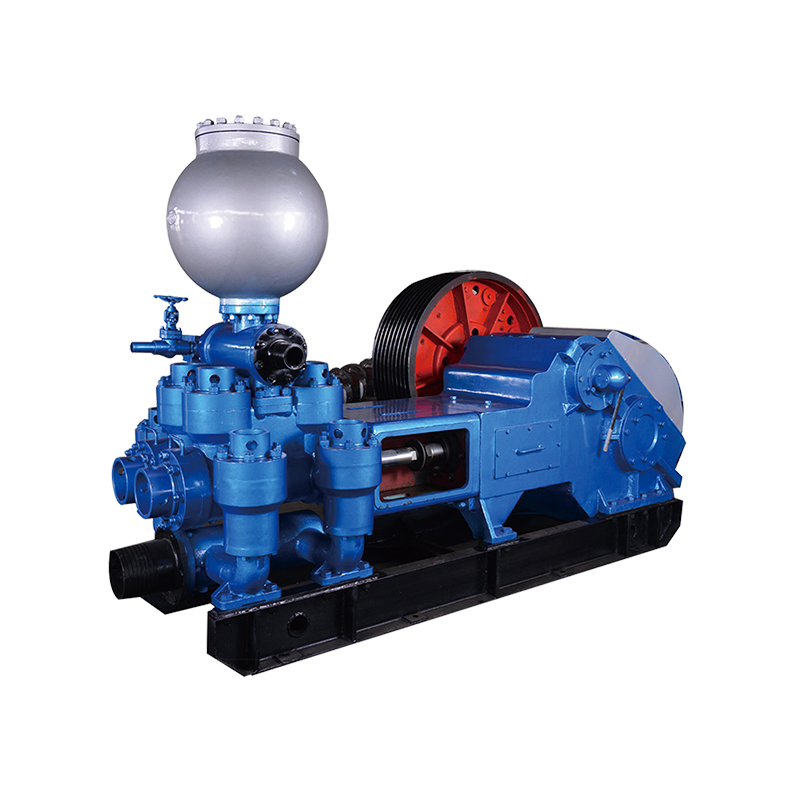
Pricing varies wildly across different drilling applications. Categorizing equipment by specifications sets realistic budget expectations. Standard triplex systems form the backbone of most operations. These units serve standard oilfield projects effectively. They also dominate horizontal directional drilling (HDD) projects. Power ratings typically range from 500 to over 2200 horsepower. Baseline wholesale costs reflect these specific power ratings.
Higher horsepower directly correlates to thicker frame construction. It requires massive bull gears and heavier crankshafts. Deep-well environments demand highly engineered solutions. You will pay a premium for a high pressure mud pump. These systems handle high-viscosity fluids seamlessly. They also survive extreme PSI conditions without cracking.
Manufacturers use upgraded metallurgy to withstand harsh environments. Advanced forging and specialized alloys justify the higher price tag. They prevent microscopic fissures under heavy cyclic loading. You pay for engineering resilience and operational safety.
Bundled systems change the entire economic equation. Analyzing the combined water well drilling rig and mud pump cost requires care. Pre-integrated packages sometimes save money through volume discounts. They simplify the initial procurement and shipping process.
However, bundled deals can disguise cheap component substitutions. Some rig manufacturers throw in subpar pumping equipment. You must vet the included unit independently. Ensure it meets your specific hydraulic flow requirements. Never compromise fluid processing quality for package convenience.
Wholesale Pricing Variables by Application Category
Application Category | Typical HP Range | Primary Environment | Primary Cost Driver |
|---|---|---|---|
Standard HDD / Shallow Well | 100 - 500 HP | Horizontal directional drilling, water wells | Volume manufacturing efficiency |
Conventional Oilfield | 800 - 1600 HP | Vertical land rigs, medium depth | Power end frame thickness |
Deep-Well / Offshore | 1600 - 2200+ HP | High pressure, extreme depth | Forged metallurgy and heavy bearings |
Breaking down the machine reveals critical cost variables. Manufacturers sometimes cut corners to offer lower wholesale prices. You must inspect the power end design closely. The frame material significantly impacts equipment longevity. Fabricated steel frames cost more than cast iron alternatives. Steel absorbs heavy vibration much better. It prevents catastrophic cracking under continuous load.
You must also evaluate the internal lubrication system. Cheap units rely entirely on simple splash lubrication. This method fails at low operating speeds. Premium machines utilize forced lubrication systems. Dedicated oil pumps ensure constant bearing coating. Bearing quality dictates overall operational life. Premium bearings from renowned brands outlast unbranded alternatives. Cheap bearings disintegrate quickly under heavy torque. This sends sharp metal shavings throughout the oil pan. It destroys the entire power end rapidly.
The fluid end endures extreme mechanical stress constantly. Forged steel blocks cost much more upfront. However, they prevent severe cracking under high working pressure. Cast steel blocks pose a severe safety risk. They often contain microscopic voids from the casting process. High-pressure drilling fluids exploit these voids immediately. The block will eventually split open.
Wear parts require constant operational attention. Reliable mud pump components keep fluids moving efficiently. Standard API-spec dimensions guarantee widespread industry compatibility. We strongly warn against ultra-cheap equipment. Unscrupulous manufacturers often use proprietary part dimensions. This traps you in expensive replacement contracts. You must buy consumables exclusively from them.
Valves and Seats: Demand forged, heat-treated steel for extended operational life.
Fluid Liners: Choose high-chrome or zirconia ceramic based on mud abrasiveness.
Pump Pistons: Verify urethane compound compatibility regarding expected fluid temperatures.
Pony Rods: Ensure high-tensile strength alloys to prevent snapping under pressure.
Vetting wholesale suppliers requires a strict evaluation process. Finding a reliable mud pump for sale means looking beyond the invoice. We recommend a phased shortlisting approach. This eliminates unreliable vendors early.
Verify Engineering History: Ask how long they have manufactured this specific model. Avoid buying first-generation prototypes.
Request Material Certifications: Demand mill test reports for the fluid end forging. This proves raw steel quality.
Evaluate Supply Chain: Ask where they source their crankshafts and bearings. Traceability prevents cheap substitutions.
Check Reference Customers: Speak to current operators using their equipment. Ask about real-world fluid end longevity.
Start by demanding robust compliance documentation. Legitimate manufacturers proudly display their industry certifications. You must require proof of API 7K compliance. This standard governs drilling equipment manufacturing protocols. ISO 9001 certifications also indicate strong internal quality control. Discard any supplier lacking these baseline credentials.
Never skip Factory Acceptance Testing procedures. Insist on heavily documented hydrostatic tests. The fluid end must hold maximum pressure safely. Request mechanical run tests before the unit ships. You should ideally witness these tests remotely. Video verification proves the unit operates without leaking. It also confirms normal operating temperatures.
Analyze the warranty and aftermarket support carefully. A standard twelve-month warranty offers minimal baseline protection. Extended coverage demonstrates true manufacturer confidence. Assess the supplier’s domestic parts inventory levels. Field service response times matter immensely. A cheap machine becomes useless during a breakdown. If technicians take weeks to arrive, you lose money. Demand guaranteed service level agreements in writing.
Integrating new equipment creates significant operational friction. Buyers frequently underestimate logistics and freight expenses. International shipping adds massive costs to heavy machinery. Understanding shipping Incoterms prevents nasty financial surprises. Ex Works (EXW) pricing leaves you handling all export logistics. Delivered Duty Paid (DDP) shifts all risk to the seller.
Customs duties require large supplementary budgets. Heavy-haul inland transport to the rig site costs thousands. Special permits for oversized loads delay transit times. You must factor these realities into your initial CapEx calculations. Transporting a heavy mud pump requires specialized flatbed trailers.
Integration presents further engineering challenges. Aligning drive systems takes specialized mechanical labor. Connecting a diesel engine differs drastically from electric setups. Direct drive alignments require laser precision tools. Minor misalignments destroy main bearings rapidly. You might need Variable Frequency Drives (VFD) for electric motors. Programming these drives requires expensive electrical engineers.
Crew training represents another hidden rollout cost. Rig mechanics must learn new maintenance protocols. They need time to understand specific lubrication requirements. Different machines use different torque specs for valve covers. Skipping this training causes immediate mechanical failures. Over-torquing valve covers cracks the fluid end. Under-torquing causes dangerous high-pressure washouts.
Allocate sufficient paid time for comprehensive crew onboarding. Bring factory representatives on-site for initial start-up procedures. Establish strict daily, weekly, and monthly inspection routines. Daily checks should monitor oil pressure and liner wash systems. Monthly checks must verify crosshead clearances and belt tension. Proper training transforms mechanics into proactive equipment managers.
A successful acquisition relies on long-term performance metrics. You should measure success by cost-per-drilling-hour. The initial wholesale invoice tells only a partial story. Buying strictly on price guarantees operational headaches. It inflates maintenance costs over the equipment lifecycle.
Take specific actions to secure the right machinery. First, finalize your exact hydraulic requirements accurately. Determine your maximum GPM and PSI needs beforehand. Second, request highly itemized quotes from potential suppliers. Force them to separate the bare unit from its accessories.
Finally, negotiate a comprehensive two-year spare parts package. Do this before signing the primary equipment contract. This locks in pricing for essential wear items. It also protects your operation from sudden supply chain disruptions. You gain predictable maintenance costs and superior operational uptime.
A: A well-maintained power end easily lasts over 15 years. It requires strict adherence to oil change intervals and bearing inspections. Fluid ends have much shorter lifespans due to extreme pressure. You should expect fluid end replacement every three to five years. Lifespan depends entirely on drilling fluid abrasiveness and operating pressure.
A: Yes, provided they strictly meet API 7K manufacturing standards. High-quality aftermarket parts offer massive savings over OEM brands. However, installing third-party components during the initial warranty period might void your coverage. Always check your purchase agreement. Stick to reputable aftermarket suppliers utilizing proper metallurgy and precision machining.
A: Ocean freight, customs duties, and inland transport add 15% to 30% to the wholesale price. Heavy industrial equipment requires flat-rack containers or break-bulk shipping. Oversized inland freight permits also increase costs. Always request a Delivered Duty Paid (DDP) or Cost, Insurance, and Freight (CIF) quote to avoid surprise logistics invoices.
A: No, you generally cannot safely upgrade standard systems. High-pressure applications require stronger forged fluid ends and heavier power end frames. The crankshaft and bull gears must handle exponentially higher torque. Attempting to force higher PSI through a standard frame causes catastrophic mechanical failure. Always purchase a unit rated for your maximum expected pressure.


