


Views: 0 Author: Site Editor Publish Time: 2026-08-04 Origin: Site


Deploying the wrong drilling equipment introduces severe operational and financial risks to your site. Poorly matched rigs compromise core recovery rates and cause excessive mechanical downtime. Project budgets quickly overrun when machinery fails in the field. Procurement teams face a complex challenge. You must match rig specifications to specific geological realities. Environmental constraints and logistical limitations dictate equipment choices. Torque, pullback capacity, and power sources require careful alignment with site conditions. We provide a structured evaluation framework below. Project managers can objectively assess available options. You will learn how to shortlist the exact equipment required for demanding drilling programs. Evaluating the target material, depth requirements, and terrain accessibility ensures you deploy the right machine. This guide breaks down the technical specifications needed to maximize penetration rates and maintain sample integrity across various formations.
Material and Geology Dictate Specifications: Whether drilling through thick concrete or hard rock, the target material and depth must drive the baseline requirements for torque, RPM, and pullback force.
Mobility is a Cost Multiplier: Terrain accessibility—especially in remote or high-altitude locations—determines whether a crawler, truck-mounted, or modular rig is required.
Power Source Impacts Compliance: The choice between diesel, hydraulic, and electric systems must align with environmental regulations, ventilation constraints (underground), and site autonomy.
You must establish baseline equipment categories based on the application. A mineral exploration core drilling rig targets hard rock and deep veins. Heavy construction applications focus on thick concrete and reinforced infrastructure. These distinct environments demand different mechanical capabilities. Rock hardness directly dictates bit selection. We measure this using the Mohs scale. Highly abrasive or heavily fractured rock requires specific diamond matrices. The rig must provide adequate rotation speeds and precise feed pressure to match these bits. Insufficient feed pressure polishes the diamond bit. Excessive pressure causes premature bit wear and core blockage.
When drilling through competent granite, you need high RPM and moderate feed pressure. Soft, unconsolidated shale requires lower RPM and careful fluid management to prevent washing out the sample. You must match the rig's rotary head capabilities to these geological realities. A machine lacking sufficient torque will stall in broken ground. A machine lacking high-end RPM will fail to cut hard rock efficiently. Operators must read the ground conditions and adjust the mechanical inputs constantly.
Success criteria rely heavily on core recovery percentages. Competent rock formations generally yield high recovery rates with standard equipment. Unconsolidated ground presents a different challenge. Broken or shifting formations require specialized mud systems and precise fluid control. The rig must support triple-tube coring systems to protect fragile samples. You evaluate the machine based on its ability to maintain steady penetration rates without washing away soft core materials.
Hole diameter and maximum achievable depth share an inverse relationship. Common sizes include BQ, NQ, HQ, and PQ. PQ systems extract large-diameter cores but limit the total depth. The heavy drill string exceeds the rig's pullback capacity much faster. BQ systems allow deeper penetration but yield smaller samples. You must calculate the total string weight at the target depth. The rig requires enough hoisting power to pull the entire string safely.
Standard Core Size and Depth Capacities
Size Designation | Hole Diameter (mm) | Core Diameter (mm) | Typical Max Depth (m) |
|---|---|---|---|
BQ | 60.0 | 36.5 | 1200 - 1500 |
NQ | 75.7 | 47.6 | 800 - 1200 |
HQ | 96.0 | 63.5 | 500 - 800 |
PQ | 122.6 | 85.0 | 300 - 500 |
Coring methods also impact structural requirements. Wireline coring retrieves the inner tube via a winch cable. The drill string remains in the hole. This method demands a high-capacity wireline winch and a tall mast. Conventional coring requires pulling the entire drill string to retrieve each sample. This approach necessitates rapid rod-handling capabilities and robust breakout clamps. Wireline systems dominate deep exploration due to faster retrieval times. You save hours of tripping rods by utilizing a properly sized wireline winch.
Diesel-powered units dominate remote surface exploration. These sites lack electrical grid access. Diesel engines provide unmatched autonomy. You only need a steady fuel supply to maintain continuous operations. Modern diesel engines deliver high power output for deep-hole applications. They drive large hydraulic pumps efficiently, providing the necessary flow and pressure to operate the rotary head and feed cylinders simultaneously.
You must weigh specific trade-offs. Fuel transport logistics complicate remote deployments. Moving diesel drums to high altitudes or dense jungles increases operational costs. Emissions compliance presents another hurdle. Tier 4 Final engines reduce particulate matter but require diesel exhaust fluid. You must ensure the local fuel quality meets the engine manufacturer's strict requirements. Poor quality fuel clogs injectors and causes unexpected downtime in the field.
Fully hydraulic systems define the modern core drilling rig. Hydraulic drives offer smooth power delivery across the entire RPM range. Operators gain infinite variable speed control. This precision allows drillers to adjust instantly to changing rock formations. High-torque hydraulic motors handle tough, fractured rock without stalling. The system absorbs shock loads, protecting the drill string from sudden jams.
Hydraulic systems demand rigorous maintenance. Fluid management is a daily priority. Contaminated hydraulic oil destroys expensive pumps and valves. You must monitor filter conditions constantly. Extreme temperatures affect fluid viscosity. Cold weather requires specialized low-viscosity oils and block heaters. High ambient temperatures demand oversized hydraulic coolers to prevent system overheating. We typically run ISO 46 oil in moderate climates, switching to ISO 32 for winter operations to prevent pump cavitation.
Electric rigs serve underground mining and indoor construction. These environments mandate zero emissions and low noise levels. Diesel engines pose severe asphyxiation risks in confined spaces. Heavy-duty underground electric rigs connect directly to the mine's power grid. They deliver massive torque for deep underground coring. They operate quietly, improving communication on the drill pad and reducing operator fatigue.
Indoor construction utilizes different electric equipment. Versatile handheld or stand-mounted electric core drills tackle thick concrete. These compact units fit into confined spaces. Infrastructure requirements dictate electric rig deployment. You must manage heavy power cables safely. The site requires a stable, high-voltage power supply. Voltage drops over long cable runs reduce motor efficiency and cause overheating. You must size the trailing cables correctly to handle the startup amperage of large electric motors.
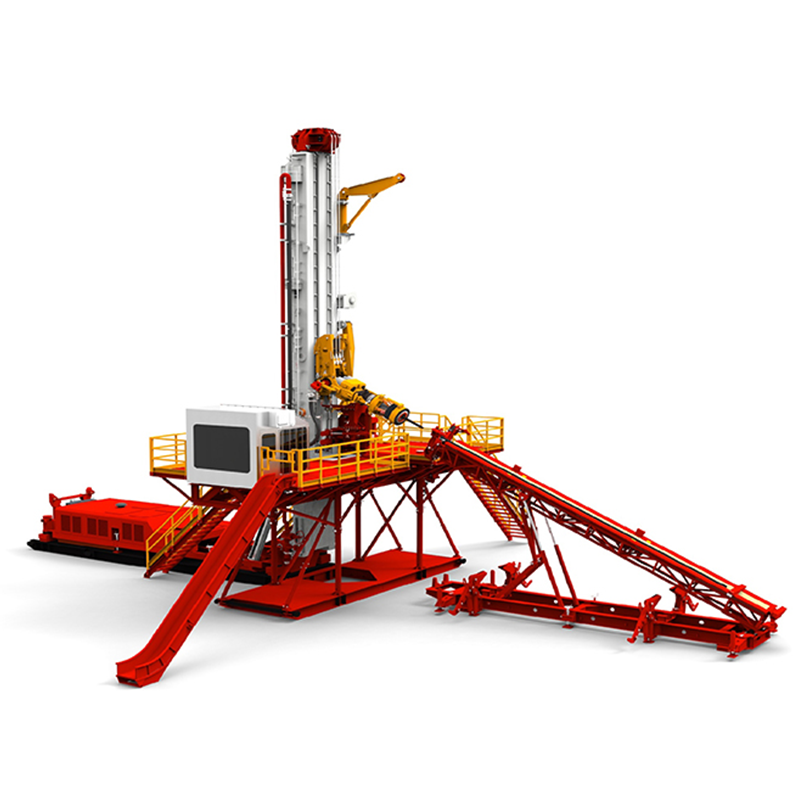
Structural requirements differ vastly between environments. A surface exploration core drilling rig features a tall mast. It handles long rod pulls, typically three to six meters. The larger footprint provides stability during deep drilling. Underground rigs utilize compact frames. They navigate narrow mine drifts and tight corners. Articulated feeds allow drilling at any angle, including upwards. Confined-space maneuverability dictates the entire design of an underground unit. You cannot deploy a surface rig underground without extensive modifications to the mast and feed system.
High-altitude and rugged terrain demand specialized equipment. A mountain area core drilling rig must overcome severe logistical hurdles. Steep gradients prevent standard vehicle access. You need modular, heli-portable rigs. Crews disassemble these units into lightweight components. Helicopters transport the modules to remote drill pads. Workers reassemble the rig on narrow, hand-dug platforms.
Environmental resilience is mandatory. High altitudes reduce oxygen levels, causing standard diesel engines to lose power. You must specify high-altitude engine tuning or oversized power plants to compensate for the thin air. Extreme cold-weather packages protect critical components. These packages include heated water lines, insulated battery boxes, and specialized lubricants. The rig must survive tough and demanding environments without constant breakdowns. Aluminum masts and quick-connect hydraulic fittings speed up the assembly process on exposed mountain ridges.
Mobility platforms dictate site preparation costs and relocation speeds. You must match the carrier to the terrain to avoid stranding equipment.
Crawler-Mounted: Best for rough, uneven terrain. Tracks distribute the rig's weight, lowering ground pressure. Operators relocate the rig over short distances without auxiliary towing equipment.
Skid-Mounted: Cost-effective for long-term drilling at a single pad. The simple steel frame withstands heavy abuse. Relocation requires bulldozers or heavy machinery to drag the unit.
Truck-Mounted: Optimal for highly mobile programs. The rig travels at highway speeds across established road networks. It suits flat topographies and large regional exploration programs.
Mobility Platform Comparison
Platform Type | Ideal Terrain | Relocation Method | Primary Advantage |
|---|---|---|---|
Crawler-Mounted | Mud, snow, uneven ground | Self-propelled via tracks | High off-road autonomy |
Skid-Mounted | Remote, single-hole deep pads | Dragged by heavy machinery | Low cost, high durability |
Truck-Mounted | Flat terrain, established roads | Driven via highway truck | Rapid site-to-site transit |
Diamond core drilling requires precise mechanical control. The technique extracts intact core samples from extremely hard rock. The rig must deliver high-speed rotation. Diamond bits cut efficiently only at specific surface speeds. Low vibration is critical. Excessive vibration shatters fragile rock cores and damages the bit matrix. You must evaluate mast rigidity. A flimsy mast allows drill string deflection during high-RPM operations. Rigid masts ensure straight holes and maximize bit life. You should inspect the chuck and rotation unit for runout before deploying the rig on a deep hole.
Pullback capacity determines the rig's depth limit. You calculate the required pullback by summing the total weight of the drill string at the maximum target depth. Add the weight of the fluid inside the rods. You must include a safety margin of at least 20 to 30 percent. This margin accounts for stuck pipe scenarios and hole friction. Precise feed force control maximizes bit life. The operator must apply exact weight on the bit. Advanced rigs feature automated feed controls to maintain constant pressure regardless of rock hardness.
To calculate pullback accurately, follow these steps:
Determine the weight per meter of your chosen drill rod. For example, NQ rods weigh approximately 7.8 kilograms per meter.
Multiply the rod weight by the total target depth to find the dry string weight.
Calculate the weight of the core barrel assembly and the diamond bit.
Add the weight of the drilling fluid column inside the rod string.
Multiply the total sum by 1.3 to establish a safe operating margin for overpull.
You must match the rig's torque and RPM capabilities to the intended drilling method. Diamond coring requires high RPM and relatively low torque. The fast rotation allows the diamonds to grind the rock. Reverse circulation or rotary drilling requires high torque and lower RPM. The bit crushes or shears the rock. A versatile rig features a multi-speed rotary head. This allows the operator to shift gears, optimizing the torque-to-RPM ratio for different hole sizes and ground conditions. A four-speed transmission provides the flexibility needed to collar a hole with a large bit and finish it with a high-speed diamond bit.
Fluid management dictates hole stability and sample quality. You must evaluate the necessity of onboard versus standalone mud pumps. Onboard pumps save space and simplify rig setup. Standalone pumps offer higher capacities for deep holes. Evaluate fluid flow rates and pressure requirements. Effective cuttings removal requires adequate annular velocity. Deep-hole applications demand high-pressure pumps to overcome hydrostatic head and friction losses. The pump must deliver enough fluid to cool the bit and flush cuttings to the surface. Triplex mud pumps provide smoother flow and handle abrasive drilling fluids better than standard duplex pumps.
Deploying complex hydraulic or automated rigs with inexperienced crews introduces severe risks. Modern rigs feature intricate control systems. Untrained operators cause catastrophic equipment failures. They apply incorrect feed pressures, burning out bits or snapping drill rods. Manual rod handling causes severe hand and back injuries. You cannot afford to put green hands on a high-capacity rig without supervision.
Mitigation requires proactive strategies. Mandate manufacturer-led training before deployment. Operators must understand hydraulic schematics and emergency shutdown procedures. Utilize rigs with integrated safety guards. Interlocked cages prevent access to rotating parts. Specify automated rod-handling systems. These systems eliminate manual lifting, drastically reducing workplace injuries and fatigue. Daily safety meetings must cover pinch points and high-pressure hydraulic hazards.
Non-compliance with local environmental laws halts projects immediately. Regulators monitor fluid spills, noise pollution, and ground disturbance. Hydraulic hose failures dump oil into sensitive ecosystems. Large rigs require massive drill pads, causing excessive deforestation. You must plan the site layout to minimize environmental impact.
Mitigation starts with equipment selection. Select rigs with built-in fluid containment systems. Drip trays and sealed floors capture leaks before they reach the soil. Choose compact rigs to minimize pad size requirements. Sound-attenuated engine enclosures reduce noise pollution near residential or protected wildlife areas. Use biodegradable hydraulic oils and drilling polymers to further reduce the environmental risk of accidental spills.
Conduct a comprehensive geotechnical site assessment to define rock hardness and target depths before contacting manufacturers.
Calculate your exact pullback requirements using the heaviest drill string configuration planned for the project.
Request detailed load charts and hydraulic schematics from equipment vendors to verify performance claims.
Evaluate site accessibility to finalize the choice between crawler, skid, or modular platforms.
Assess local environmental regulations to determine noise and emission compliance requirements for the power source.
A: Maximum depth depends directly on the chosen rod size and the rig's pullback capacity. Larger rods like PQ limit depth due to weight. Smaller NQ or BQ rods allow deeper penetration. Depths typically range from 500 meters for compact rigs to over 3,000 meters for heavy-duty surface machines.
A: Choose hydraulic rigs for remote surface exploration where high torque and autonomy are necessary. Choose electric rigs for underground mining or indoor construction. Electric units meet strict zero-emission and low-noise regulations but require a stable, high-voltage power infrastructure.
A: These rigs feature modular designs and lightweight components. Crews disassemble them into small, heli-portable sections. They maintain a compact footprint for narrow, steep drill pads. They include specialized engine tuning and cold-weather packages to operate reliably in high-altitude, extreme environments.
A: Larger hole diameters require heavier drill strings and larger bits. This increases the total weight the rig must lift. It demands higher torque to rotate the bit. Consequently, increasing the hole diameter significantly reduces the rig's maximum achievable depth capacity.
A: Daily maintenance includes checking hydraulic fluid levels and inspecting filters. Operators must lubricate the mast and rotary head components. Winch cables require visual inspections for fraying or damage. Preventative engine maintenance, including oil changes and air filter replacements, ensures reliable power delivery.
A: Calculate the total weight of the drill string at the maximum target depth. Add the weight of the drilling fluid inside the rods. Include friction drag from the hole walls. Finally, add a 20 to 30 percent safety margin to handle overpull during stuck pipe situations.


