


Views: 0 Author: Site Editor Publish Time: 2026-09-15 Origin: Site


Selecting the wrong fluid-end equipment actively destroys your daily drilling efficiency. Poor equipment choices often lead to premature mechanical failure and excessive rig downtime. These operational failures invariably result in severely blown project margins. Procurement engineers face intense pressure during the early project planning stages. You must get this critical equipment decision right from day one. Operational success hinges on matching your exact hydraulic requirements perfectly. Operators must balance fluid flow and pressure metrics against rigid footprint constraints. Teams also need to account for site-specific geological realities before deploying equipment. This guide thoroughly breaks down different pump architectures for rig operators. We explain how you evaluate technical specifications for distinct drilling applications. You will learn to navigate the mechanical complexities of heavy fluid dynamics. We also outline critical field implementation risks to help operators avoid downtime. Follow these engineering steps to secure a highly qualified equipment investment.
Architecture dictates capability: Triplex pumps offer smoother discharge and higher pressure, while duplex pumps excel in moving high volumes of thick, abrasive fluids.
Application matching is non-negotiable: A high pressure mud pump is required for deep-hole drilling, whereas horizontal directional drilling (HDD) prioritizes flow rate.
Maintenance drives TCO: Fluid-end accessibility, consumable wear rates (liners, pistons), and aftermarket parts availability often outweigh initial capital expenditure.
Footprint matters: Mobile and remote operations (like mining) require high power-to-weight ratios to accommodate logistical constraints.
You must establish a precise balance between flow and pressure. Gallons Per Minute (GPM) determines your overall hole cleaning capability. High fluid velocity carries heavy rock cuttings back to the surface. Inadequate flow leaves dangerous debris trapped inside the wellbore annulus. Conversely, Pounds Per Square Inch (PSI) helps overcome extreme hydrostatic pressure. High pressure also powers downhole mud motors efficiently. Operators calculate these metrics against specific drill bit nozzle sizes. You cannot simply maximize both numbers without exceeding mechanical horsepower limits.
Your drilling fluid formulation directly dictates internal component metallurgy. Operators evaluate the specific weight and abrasiveness of their chosen mud. High solids content rapidly degrades standard rubber pistons and internal valves. Heavy bentonite slurries require specialized urethane consumables to survive long shifts. Highly viscous fluids also demand larger suction lines to prevent pump cavitation. Sandy ground conditions introduce abrasive silica into your fluid circulation system. You must specify hardened steel fluid ends if pumping highly abrasive slurries.
Logistical limitations often dictate your final equipment selection before drilling begins. Operators must factor in overall rig size and site access limits. Weight restrictions heavily influence transport over soft ground or remote terrain. You must also determine your available on-site drive power sources. Diesel engines offer extreme portability for isolated off-grid job sites. Electric drives provide quieter operation and precise variable speed control. Hydraulic drives allow compact integration into existing mobile drilling rigs.
Equipment duty cycles determine actual mechanical survival rates in the field. Manufacturers test equipment to establish both intermittent and continuous performance ratings. Relying on maximum intermittent ratings for 24/7 operations guarantees mechanical failure. Continuous duty requires running equipment well below its absolute maximum threshold. Constant peak loads generate excessive heat inside the power end bearings. Heat breaks down lubricating oil and destroys internal transmission gears. Always select equipment rated for continuous duty if drilling non-stop.
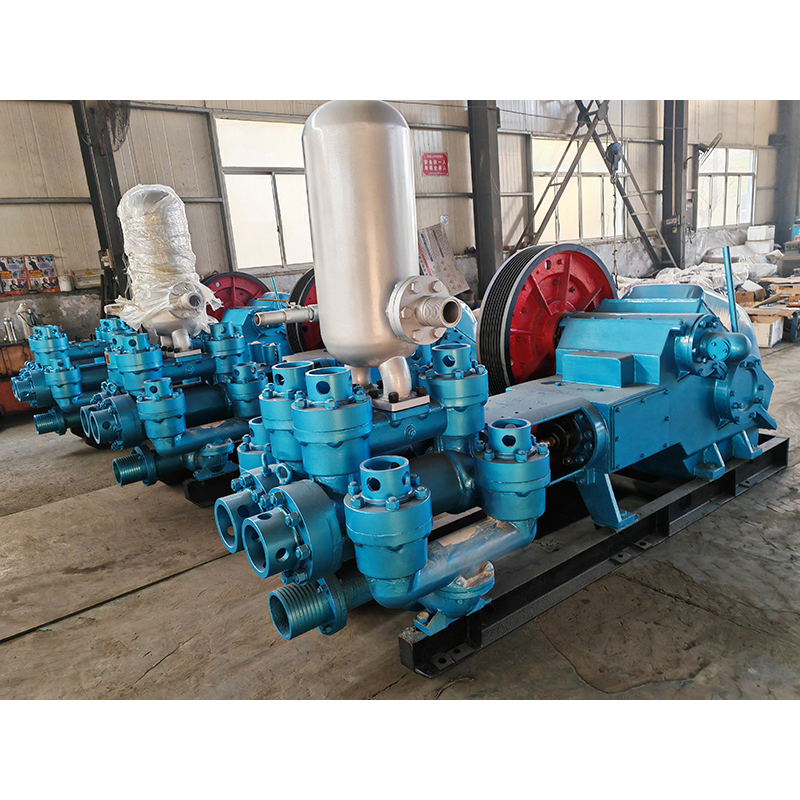
Triplex architecture dominates modern industrial drilling operations across multiple sectors. These units utilize three distinct cylinders operating in a single-acting motion. They discharge fluid only as the piston moves forward into the cylinder. This overlapping three-cylinder sequence delivers significantly less mechanical pulsation. The resulting smooth flow protects sensitive downstream gauges and bore integrity. Triplex designs offer an exceptionally high power-to-weight ratio. They remain lighter and more compact per applied horsepower than older designs. Operators choose triplex units for deep drilling requiring precise pressure control. They also fit perfectly on modern rigs facing strict road weight limits.
Duplex architecture relies on two larger cylinders pumping fluid continuously. These double-acting units pump fluid on both sides of the piston. They discharge fluid during both the forward and backward piston strokes. This design moves massive volumes of fluid at lower operating cycles. Slower cycle rates reduce wear when pumping highly abrasive muds. However, duplex units generate heavy pulsation requiring massive dampening systems. They are inherently heavier and feature a much larger physical footprint. Operators prefer duplex units for shallow to medium depth operations. They excel in scenarios where sheer fluid volume outweighs precise pressure control.
Quintuplex designs scale the architecture up to five separate cylinders. Engineers deploy these units for ultra-high continuous flow applications. Five overlapping strokes virtually eliminate all systemic fluid pulsation entirely. You see quintuplex units in massive industrial-scale cementing and fracturing operations. They remain too large and heavy for standard mobile rig deployments.
Feature | Triplex Pumps | Duplex Pumps | Quintuplex Pumps |
|---|---|---|---|
Action Type | Single-acting (forward only) | Double-acting (both strokes) | Single-acting |
Pulsation Level | Low to Moderate | High (Requires heavy dampening) | Extremely Low |
Weight per HP | Lighter / Compact | Heavier / Bulky | Very Heavy |
Best Application | Deep drilling, weight-restricted rigs | High-volume abrasive slurries | Industrial continuous fracturing |
Deep vertical operations push equipment to absolute mechanical limits daily. This sector requires a continuous-duty High pressure mud pump deployed on site. Operators must overcome extreme downhole hydrostatic pressure at massive depths. High pressure also powers steerable downhole motors for precise wellbore navigation. Maintaining strict well control demands instantaneous and reliable pressure response. You must evaluate these units based on fluid end metallurgy. Look for forged steel fluid ends capable of sustaining extreme stresses. Modern setups also require seamless integration into automated digital rig systems.
Horizontal drilling fights gravity in an entirely different operational manner. This application requires a dependable High flow mud pump on location. Crews must evacuate immense amounts of heavy cuttings from horizontal spaces. High flow maintains bore stability over exceedingly long horizontal distances. Operators pump thick bentonite slurries to coat and protect the bore walls. Evaluation criteria should focus heavily on variable flow control mechanisms. Your equipment must handle highly viscous slurries without suffering premature cavitation. Rapid-response pressure relief valves remain mandatory to prevent catastrophic line blowouts.
Mineral exploration occurs in some of the most isolated locations on Earth. Success requires a specialized Mining exploration mud pump supporting the rig. This equipment must balance adequate pressure for safe core retrieval processes. Simultaneously, it must offer extreme portability for helicopter or track transport. Evaluation criteria center on compact skid or custom trailer mounting options. Remote off-grid locations demand incredibly simple field maintenance procedures. Your crew must possess the ability to fix issues without heavy cranes. A high power-to-weight ratio remains the absolute top priority for miners.
Water well contractors operate on strict margins across varied ground conditions. This sector focuses heavily on upfront affordability and extreme daily durability. Equipment frequently encounters sandy mud and highly abrasive dirty water. Evaluation criteria prioritize operational ease of use for small rig crews. PTO (Power Take-Off) compatibility allows integration directly into the truck engine. Fluid ends must tolerate less-than-ideal mud mixtures without immediate seal failures. Rugged simplicity usually wins out over complex automated control systems here.
Your chosen fluid formulation dictates the lifespan of internal wear parts. Highly abrasive silica muds destroy standard rubber pistons in mere days. You must assess realistic lifespan expectations for liners, pistons, and valves. Urethane inserts generally survive longer than rubber in harsh chemical environments. Operators must establish strict preventative maintenance schedules to avoid catastrophic failures. Inspecting valve seats weekly prevents high-velocity fluid washing out the metal block. Ignoring minor fluid leaks always leads to highly destructive metal-on-metal washouts.
Downtime on a drilling rig costs thousands of dollars per hour. Your crew must easily access the fluid end for routine maintenance. Ask yourself if mechanics can change a liner on the rig floor. Equipment requiring a clean shop environment fails remote field deployment tests. Fast-change valve cover designs drastically reduce daily maintenance time. Workers need standard hand tools to replace expendable parts safely. Complex internal geometries slow down repairs and frustrate field operating personnel.
Global logistics directly impact your ability to keep rigs actively turning. Relying on obscure manufacturers introduces massive supply chain implementation risks. Gray-market counterfeit parts often fail prematurely under high-pressure drilling conditions. Genuine OEM support ensures metallurgical consistency across all replacement components. Always choose equipment featuring globally standardized fluid-end internal components. Standardized API parts remain easily obtainable from local supply houses worldwide. Waiting three weeks for a custom valve ships destroys project profitability instantly.
Uncontrolled hydraulic pulsation creates severe hidden mechanical risks across the rig. Every piston stroke sends a violent shockwave through the discharge manifold. Inadequate pulsation control rapidly degrades connected equipment. These spikes rupture high-pressure hoses and completely shatter analog pressure gauges. Downhole, extreme pulsation compromises delicate borehole wall integrity. Operators must install correctly charged nitrogen pulsation dampeners on the discharge line. Proper dampening absorbs shockwaves and extends the lifespan of all downstream components.
Creating a rigid evaluation matrix removes emotion from equipment procurement. First, cross-reference your required GPM and PSI against maximum footprint constraints. When evaluating a new mud pump, map out maximum operating limits clearly. Disqualify any unit failing to meet continuous duty cycle requirements. Plot your rig floor dimensions against the proposed equipment skid drawings. Check overall operating weight against local highway transportation regulations. This strict matrix prevents buying equipment too large for your fleet.
Do not simply trust marketing brochures when comparing industrial equipment. Look for transparent performance curves detailing continuous versus intermittent horsepower limits. Examine the clear warranty terms specifically covering forged fluid end blocks. Reputable manufacturers gladly provide detailed engineering support for custom skid packaging. Ask for documented case studies demonstrating success in your specific geology. Strong engineering support proves crucial when integrating complex hydraulic drive systems.
Gather your exact mud formulations, depth targets, and drive system preferences. Document the maximum ambient temperatures of your intended geographic work zones. List any strict environmental noise or emission regulations governing the site. Submit this comprehensive data package to your chosen equipment suppliers. Request a fully customized performance spec sheet and a detailed itemized quote. Review the proposed maintenance intervals before signing final purchase orders.
Purchasing heavy fluid-end equipment remains a strict engineering decision, not a simple commodity purchase. Your operational success demands balancing exact hydraulic output against severe environmental constraints. The cheapest equipment upfront almost always causes the most expensive downtime later. You must prioritize precise application fit and realistic field maintainability above all else. Establish strict maintenance protocols to protect fluid ends from abrasive wear. Address pulsation risks early to safeguard your entire downstream drilling circuit. Contact technical engineering teams to run accurate hydraulic calculations for your next setup. Request professional OEM evaluations to guarantee your equipment matches your rigorous drilling demands.
A: A direct inverse relationship exists between liner size and pressure capacity. Large liners displace more fluid per stroke. This creates high flow rates ideal for clearing wide horizontal bores. Conversely, smaller liners restrict fluid volume but generate immense pressure. You need this high pressure to overcome deep vertical hydrostatic forces. Operators cannot maximize both flow and pressure simultaneously on the same fluid end.
A: Replacement intervals depend entirely on fluid abrasiveness and operating pressure. Pumping clean water allows parts to last several months. Pumping highly abrasive sandy slurries destroys standard pistons in mere days. Operating constantly at maximum pressure also accelerates wear. Proper maintenance of your rig's solids control wash system significantly extends the lifespan of these expendable parts.
A: Yes, crossover applications occur frequently in shallow drilling scenarios. Mining exploration units offer excellent portability and durability for water well contractors. However, you must carefully calculate flow rate limitations. Mining units typically prioritize pressure for core retrieval over massive volume. If your water well requires clearing large-diameter cuttings rapidly, the mining unit might lack sufficient flow.
A: While triplex designs run smoother than duplex units, they still generate mechanical shockwaves. Each overlapping piston stroke creates temporary pressure spikes in the discharge manifold. A nitrogen-charged pulsation dampener acts as a hydraulic shock absorber. It mitigates these violent spikes to protect downstream rig equipment. Without dampening, vibration ruptures hoses, damages gauges, and compromises downhole bore stability.


