


Views: 0 Author: Site Editor Publish Time: 2026-07-13 Origin: Site


Transitioning from traditional fossil fuels to baseload renewable energy heavily relies on unlocking subsurface heat. This monumental shift makes your choice of extraction equipment a critical bottleneck for long-term project viability. You cannot simply apply standard operational methods here. Unlike conventional oil and gas extraction, geothermal environments consistently present extreme high-pressure, high-temperature conditions. Operators also face highly abrasive, unpredictable rock formations far beneath the earth's surface. Overcoming these natural barriers requires highly specialized engineering and rigorous planning. We outline how purpose-built or strictly adapted drilling assets bridge the gap between geological potential and commercial power generation. Our guide provides a comprehensive framework for evaluating rig capabilities for your next major project. You will discover exactly how specialized equipment protects your capital and ensures safe, efficient resource access for decades to come.
Standard drilling equipment suffers accelerated wear in geothermal environments; successful projects require rigs with specialized thermal management and robust hook-load capacities.
Repurposing oil and gas expertise for renewable energy drilling accelerates deployment, but operators must strictly evaluate differences in blowout prevention (BOP) and mud cooling requirements.
Evaluating a geothermal drilling rig requires balancing high initial mobilization costs against the operational reliability needed for deep, hard-rock penetration.
Advanced directional capabilities—including those adapted from HDD rig technologies—are increasingly vital for closed-loop and enhanced geothermal systems (EGS).
Drilling operations account for up to 50% of total capital expenditure in geothermal asset development. These massive financial and technical risks define the baseline challenge for operators. Every decision impacts overall commercial viability directly. Your equipment must perform flawlessly under immense stress to protect upfront investments. A failure deep underground instantly derails project timelines and inflates budgets.
We must carefully navigate severe environmental extremes during deep geothermal development. Igneous and metamorphic rocks like granite and basalt dominate these subsurface zones. These formations often feature compressive strengths exceeding 200 MPa. They destroy standard drill bits rapidly. Furthermore, downhole temperatures frequently exceed 250°C. This extreme heat quickly compromises bottom-hole assemblies (BHA) and breaks down conventional drilling fluids. Standard elastomeric seals melt under these conditions.
Under-speccing your rig capacity creates compounding problems. It leads directly to high non-productive time (NPT) and dangerous lost circulation events. We often see compromised wellbore integrity when surface equipment falls short of geological demands. Small delays escalate into multi-million-dollar remediation efforts. Ultimately, these operational inadequacies threaten overall project economics and jeopardize power purchase agreements.
You need specific mechanical capabilities to succeed in hard-rock environments. Hoisting and hook-load capacity remain absolutely paramount. Geothermal production wells require heavy, large-diameter casing strings to accommodate high flow rates. They also need thicker casing walls to withstand intense thermal expansion. Massive hook-load ratings allow drilling crews to handle these extreme weights safely.
Advanced fluid and thermal management is equally critical for continuous operations. You must integrate high-capacity mud coolers and specialized surface pumps. Surface heat exchangers extract heat from returning fluids before sending them back downhole. These systems prevent drilling fluid degradation effectively. They also protect sensitive directional tools and downhole electronics from catastrophic heat failure.
Directional and horizontal adaptations drive modern project success. Enhanced Geothermal Systems (EGS) rely heavily on precise directional steering to create artificial reservoirs. We often see specialized HDD rig methodologies intersect with closed-loop surface designs here. These technological crossovers optimize reservoir contact significantly. They allow operators to intersect multiple natural fracture networks from a single surface pad.
Finally, robust top drive systems determine your penetration speed. You require high-torque top drives capable of continuous operation in hard formations. High rotational speed matters less than sustained, brutal torque. The top drive must endure violent vibrations as bits crush through igneous rock layers day after day.
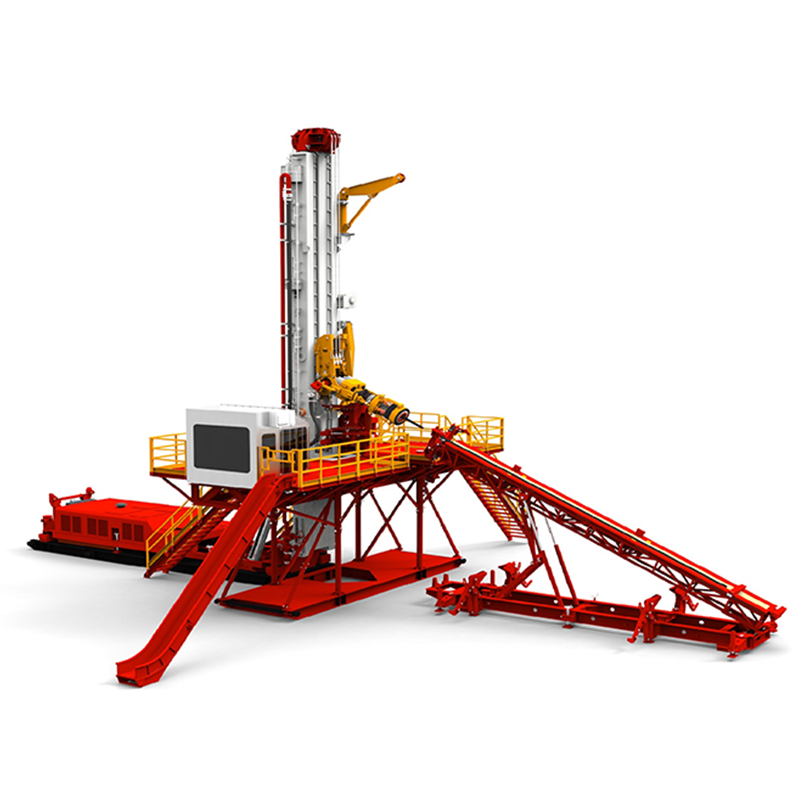
The most successful developers frequently partner with established oil and gas contractors. This crossover advantage accelerates deployment dramatically. Oilfield contractors possess the heavy machinery required to reach deep thermal targets. Both industries share massive infrastructure needs. We see clear similarities in operational footprint, logistical planning, and baseline crew competency.
However, critical divergences exist beneath the surface. Standard assumptions often fail completely in geothermal contexts. Crews must handle volatile steam kicks rather than liquid hydrocarbon kicks. Steam expands exponentially as it reaches the surface. This requires specialized blowout prevention (BOP) protocols. Additionally, cementing procedures differ vastly. Operators must utilize silica-enriched cement to prevent structural degradation at high temperatures.
This evidence-oriented reality check remains vital for project managers. The iron looks similar on the surface. Yet, engineering parameters demand rigorous recalculation for thermal lifecycle fatigue. You must evaluate renewable energy drilling partners based on their understanding of these variables. A crew skilled in shale gas extraction requires comprehensive retraining before tackling a high-enthalpy thermal well.
How do you choose the right partner? You must evaluate technical specifications against actual field outcomes. A true geothermal drilling rig requires very specific hardware ratings. Focus heavily on sustained torque ratings and mud pump redundancy. Ensure BOP stack configurations utilize high-temperature elastomers rated for extreme steam environments.
Scalability and fleet availability also drive multi-phase success. Assess whether your vendor provides consistent equipment models across a multi-well pad. Standardized models ensure streamlined maintenance schedules. They also build better crew familiarity, reducing human error rates. Compliance and safety records demand strict scrutiny. Vendors need proper certifications for operating in environmentally sensitive zones.
Avoid focusing solely on initial day rates. Instead, frame your evaluation around rate-of-penetration (ROP) efficiency and strict downtime metrics. A cheaper daily rate means nothing if the equipment breaks down constantly. High ROP lowers overall project expenses significantly by reducing the total days on location. Evaluate the overall economic viability per well based on proven uptime in similar geologies.
Equipment Capability Comparison Matrix
System Component | Standard Oil & Gas Configuration | Required Geothermal Adaptation |
|---|---|---|
Blowout Preventer (BOP) | Standard elastomers (rated ~120°C) | High-temp seals, steam-rated expansion (rated 250°C+) |
Mud Cooling System | Basic fluid circulation tanks | Active surface heat exchangers and cooling towers |
Hoisting Capacity | Moderate hook-load for standard casing | High hook-load for thick-walled, heavy casing strings |
Cementing Capabilities | Standard API Class G cement mixes | Silica flour additives to prevent strength retrogression |
Accelerated tool degradation impacts every deep thermal project. Drill bits chip rapidly in granite. Directional measurement tools fail when temperatures spike unexpectedly. We highly recommend mandating onsite inventory buffers for critical HPHT components. Supply chain delays will cripple your timeline if you wait for replacement parts from distant warehouses.
Managing lost circulation zones represents another constant operational battle. Highly fractured volcanic formations dominate these environments. Drilling fluid often escapes entirely into these cavernous fractures. You need strong rig-side mixing capabilities for specialized loss-circulation materials (LCM). Sometimes, operators must switch to aerated muds or drill completely blind to bypass these zones safely.
Logistics and footprint constraints present unique environmental hurdles. Mobilizing Tier-1 equipment to remote, mountainous areas tests your planning capabilities. Many thermal lease areas reside in environmentally protected zones or national forests. Utilizing a compact geothermal drilling rig design helps mitigate these strict environmental compliance risks. Zero-spill operations and noise reduction barriers become mandatory compliance factors.
What specific actions should you take now? Begin with comprehensive Pre-FEED alignment. Project developers must integrate drilling contractors during the Front-End Engineering Design (FEED) phase. This early collaboration aligns your ideal well design perfectly with actual equipment availability. It prevents engineers from designing wells that no available machinery can construct.
Next, conduct thorough vendor auditing. Do not rely entirely on marketing brochures. Use this checklist to audit a contractor's true readiness:
Review past well histories in igneous rock formations.
Verify the ownership and condition of specific mud cooling assets.
Confirm rigorous thermal safety training programs for all rig crews.
Check the availability of high-torque, top-drive maintenance personnel.
Your actionable takeaway is straightforward. Establish a clear, non-negotiable matrix of required depth, expected bottom-hole temperature, and maximum casing loads. Finalize this technical matrix completely before releasing your Request for Proposal (RFP). This ensures you only attract bids from fully capable, realistic partners.
Successful thermal energy extraction remains fundamentally an advanced engineering challenge. It requires heavy-lifting expertise coupled with meticulous thermal management. You cannot cut corners on equipment specifications without inviting catastrophic project delays. Choosing the proper machinery dictates the pace, safety, and ultimate success of your field development.
Selecting the optimal equipment is not just a daily operational necessity. It stands as the primary mechanism for protecting your upfront capital. Proper rig selection ensures reliable, long-term baseload power production. Take the time to audit vendors thoroughly. Prioritize thermal management systems and absolute hoisting capacity above all other metrics.
A: The primary differences lie in thermal management and load capacity. Geothermal rigs require active mud cooling systems to prevent fluid breakdown. They also utilize high-temperature blowout preventers (BOPs) designed for volatile steam kicks. Furthermore, they need massive hoisting capacities to handle larger, heavier casing strings designed specifically for severe thermal expansion.
A: Temperatures routinely exceeding 200°C combined with abrasive igneous rock severely impact equipment. These extreme conditions significantly reduce the Mean Time Between Failures (MTBF) for directional steering tools, downhole electronics, and elastomeric seals. Standard drill bits wear out much faster, requiring frequent, costly replacement trips.
A: Traditional HDD rigs work well for shallow ground-source heat pumps or specific surface-crossing applications. However, utility-scale power generation requires deep, vertical, or directional configurations. These deep wells demand much higher continuous torque and massive hoisting capacities that standard horizontal directional drills simply cannot provide.
A: Operators mitigate costs through rigorous upfront reservoir characterization and optimized casing designs. Most importantly, they contract equipment with proven high uptime in hard-rock environments. Maximizing the rate of penetration and minimizing Non-Productive Time (NPT) remains the best strategy to control massive upfront capital expenditures.


